Weight Loss – A Comprehensive Guide to Healthy Fat Management
What is Weight Loss?
Weight loss refers to the reduction of total body weight, typically achieved by decreasing body fat through a combination of proper nutrition, physical activity, lifestyle changes, and, in some cases, medically supervised treatments.
Weight occurs when the body burns more calories than it consumes, creating a calorie deficit. This process encourages the body to use stored fat as an energy source, leading to a reduction in body weight over time.
Key Benefits of Healthy Weight Loss
Improved overall health and wellness
Increased energy and stamina
Better mobility and physical performance
Support for heart and metabolic health
Enhanced confidence and quality of life
Improved sleep and daily functioning
Common Weight Loss Strategies
Balanced Nutrition
A healthy diet rich in lean proteins, fruits, vegetables, whole grains, and healthy fats can support sustainable weight management.
Regular Exercise
Combining cardiovascular activities with strength training helps burn calories while maintaining muscle mass.
Lifestyle Improvements
Adequate sleep, stress management, hydration, and consistent healthy habits play a major role in long-term success.
Advanced Wellness Approaches
Many individuals explore wellness programs and research compounds such as:
Semaglutide
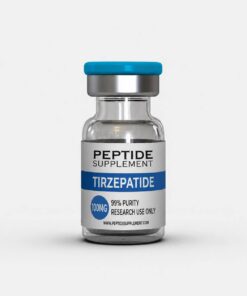
Tirzepatide
Retatrutide
L-Carnitine
MIC and Lipo-C blends
These approaches are often studied for their potential role in appetite regulation, metabolism support, and body composition management.
Why Focus on Healthy Weight Loss?
Sustainable weight is not simply about reducing numbers on a scale. The goal is to improve overall health, maintain muscle mass, increase energy levels, and develop long-term habits that support wellness.
Conclusion
Weight is a journey toward better health and improved quality of life. Through proper nutrition, exercise, lifestyle modifications, and evidence-based wellness strategies, individuals can work toward achieving and maintaining their health goals.